The hum of silence when the power goes out isn't comforting; it's a stark reminder of our dependence on electricity. For many homeowners, the answer to this uncertainty is a Generac standby generator. But when you start exploring, one of the first questions to surface is always about Generac Standby Generator Costs by Size & Type. It’s not a simple price tag you can grab off a shelf; it’s an investment with variables.
Understanding what goes into that investment—from the unit itself to the complex installation—is key to making an informed decision. This guide will cut through the noise, giving you a clear picture of what to expect financially and what factors will shape your final bill.
At a Glance: Key Takeaways on Generac Standby Generator Costs
- Unit vs. Installed Cost: Always differentiate between the generator's price and the total cost including installation. Installation often doubles or triples the unit price.
- Size Matters: Smaller "essential circuit" units (10-18kW) are less expensive than "whole home" units (22kW+).
- Type is Crucial: While this guide focuses on standby, know that portable generators are significantly cheaper but offer different functionality.
- Installation is Complex: Expect costs for electricians, gas fitters, permits, concrete pads, and transfer switches.
- Fuel Type Impacts Running Costs: Natural gas offers unlimited runtime (if available), while propane requires a tank and regular refills.
- Long-Term Value: A Generac standby generator offers automatic peace of mind, property value, and protection from outages.
Why Generac? Beyond Just a Backup Generator
When the lights go out, a Generac standby generator doesn't just kick in; it steps up. These aren't your typical portable units that require manual setup and refueling in the dark. Generac standby generators are permanently installed, automatically sensing a power outage and restoring electricity to your home within seconds. This seamless, hands-free operation is a huge part of their appeal.
Think of it as an invisible guardian for your home. Generac generators are designed for 24/7/365 reliability, backed by support directly from their Wisconsin headquarters. In an increasingly unpredictable world, that added protection and peace of mind isn't just a luxury; for many, it's a necessity. This unwavering reliability and automatic operation are core to understanding their value, and subsequently, their cost.
Deciphering Generac Generator Types & Their Cost Impact
Before we dive into specific numbers, it’s vital to understand the different types of generators Generac offers, even as we narrow our focus to standby units. Each type serves a distinct purpose and comes with its own price structure.
While our primary focus is on standby generators, let's briefly look at other types for context, as they often come up in the initial research phase when considering a Cost of Generac generators.
Home Standby Generators: Your Automatic Power Lifeline
These are the stars of the show when we talk about automatic, whole-home protection. Permanently installed outside your home, they connect directly to your electrical system and fuel source (natural gas or propane). When the grid fails, they automatically switch on.
The Essentials: 10-18kW Generac Standby Generators
These smaller standby units are designed to power your most critical circuits—think refrigeration, some lighting, your furnace or critical heating, and perhaps a well pump or a few essential appliances. They offer vital protection without powering every single item in your home.
- Estimated Unit Cost: Expect to pay between $3,500 and $5,500 for the generator unit itself.
- Estimated Installed Cost: Once you factor in the transfer switch, electrical work, gas line, concrete pad, permits, and labor, the total installed cost typically ranges from $8,000 to $12,000.
While this might seem like a jump from the unit cost, remember that you’re paying for a complex, safe, and code-compliant installation by licensed professionals. The peace of mind that comes with knowing your critical systems will always be operational, even when you're away, is invaluable.
Whole Home Comfort: 22kW+ Generac Standby Generators
When you want uninterrupted power for your entire home – including air conditioning units, multiple appliances, and all your electronics – you're looking at a larger standby generator, typically 22kW and above. These units ensure that life continues almost normally during an outage.
- Estimated Unit Cost: The generator unit alone will likely cost $6,000 to $8,000.
- Estimated Installed Cost: For these larger systems, including all the necessary installation components and labor, anticipate a total installed cost between $12,000 and $16,000.
The higher cost reflects the increased power output, the more robust components, and sometimes more complex installation requirements for handling a heavier electrical load. If uninterrupted comfort, even during extended outages, is your priority, these larger units are the way to go.
Beyond Standby: A Quick Look at Portable Options (For Context)
While not "standby" in the Generac sense of automatic, permanent installation, portable generators are often considered as alternatives. It's crucial to understand their differences in function and cost.
Inverter Generators (Small Portable)
These are quiet, fuel-efficient, and safe for sensitive electronics. They're typically smaller, lighter, and more portable, making them popular for camping, RVs, or charging phones and laptops.
- Estimated Unit & Installed Cost: Roughly $500 to $1,200. Installation is often "plug & play," requiring no professional electrical work beyond plugging things in.
- Pros: Very quiet (50-60dB), lightweight, clean power for electronics.
- Cons: Low power (max 3-4kW), expensive per watt, limited runtime, manual operation.
Standard Portable (Large Portable)
These generators offer more raw power on wheels, suitable for job sites or temporarily running a refrigerator or a few power tools. They are generally louder and less fuel-efficient than inverters.
- Estimated Unit Cost: Between $1,000 and $2,500.
- Estimated Installed Cost: If you add a manual transfer switch for home backup, the total cost could range from $1,500 to $3,000.
- Pros: Generally the cheapest high-power option (up to 12kW), durable.
- Cons: Loud (70dB+), require manual refueling, not ideal for sensitive electronics, must be manually started and connected.
The Key Distinction: Portable generators offer temporary, manual power. Standby generators, especially Generac's, offer permanent, automatic, and hands-free whole-home protection. This fundamental difference drives their respective price points.
What Drives the "Installed Cost" Tag? Beyond the Generator Itself
The gap between a generator's unit cost and its installed cost can be surprising if you're not prepared. That difference covers the highly specialized work and materials required to safely and legally integrate a powerful electrical appliance into your home. Here’s a breakdown of the typical components that contribute to the "installed cost":
- The Automatic Transfer Switch (ATS): This is the brains of your standby system. It constantly monitors utility power and, upon an outage, automatically switches your home’s power supply from the utility to your generator. When utility power returns, it switches back. The ATS unit itself is a significant component, and its installation requires a licensed electrician.
- Electrical Work & Wiring: Connecting the generator to your home's electrical panel via the transfer switch involves substantial wiring. This isn't a DIY job; it requires skilled electricians to ensure safety, proper load distribution, and compliance with all local and national electrical codes.
- Fuel Line Installation:
- Natural Gas: If you have natural gas, a licensed plumber or gas fitter will need to run a dedicated gas line from your meter to the generator. This can involve trenching, pipe fitting, and ensuring adequate gas pressure.
- Propane: If you opt for propane, you'll need to purchase or lease a large propane tank (often 250-1000 gallons) and have a dedicated gas line run from the tank to the generator. The tank itself, plus delivery and initial fill, adds to the cost.
- Site Preparation: Standby generators are heavy and require a stable, level surface. This typically means pouring a concrete pad, which involves excavation, forming, and concrete work. The location must also comply with local setback requirements from your home and property lines.
- Permits and Inspections: Installing a standby generator is a significant home improvement that impacts electrical and gas systems. It requires permits from your local municipality and subsequent inspections to ensure all work meets safety and building codes. These fees and the time involved in scheduling inspections are part of the installed cost.
- Ancillary Materials & Labor: This can include everything from the battery the generator needs to start, specialized cold weather kits (if you live in a colder climate), conduit, fittings, and the significant labor hours from qualified professionals (electricians, gas fitters, general contractors for site prep).
- Delivery & Placement: Getting a heavy generator from the dealer to your prepared site and safely positioned can require specialized equipment and labor.
When comparing quotes, always ensure they are comprehensive and include all these elements. A low "unit price" can quickly become misleading if the installation costs are underestimated or not fully disclosed.
Decoding Generator Sizing: Why Size Matters More Than You Think
Choosing the right size Generac standby generator is perhaps the most critical decision, directly impacting both the upfront cost and your satisfaction during an outage. An undersized generator won't power everything you need, while an oversized one means you've spent more than necessary.
Calculating Your Home's Power Needs
This isn't just guesswork; it's a science. You need to determine your home's peak power requirements during an outage.
- Identify Essentials vs. Whole Home:
- Essentials: List every critical appliance and system you absolutely cannot live without: refrigerator, freezer, furnace/boiler, well pump, sump pump, lights in key rooms, internet router, a few outlets for charging.
- Whole Home: If you want all major appliances, multiple AC units, electric ranges, and water heaters to operate, that's a whole-home scenario.
- Determine Starting vs. Running Watts: Appliances have a "running wattage" (what they need to operate continuously) and a higher "starting wattage" or "surge wattage" (a brief spike of power needed to kick on motors, like in refrigerators or AC units). Your generator needs to handle these surges.
- Professional Load Assessment: The best approach is to have a Generac dealer or licensed electrician perform a professional load calculation. They'll use specialized tools to audit your home's electrical consumption, helping you accurately determine the precise kW size needed. They can also implement "load shedding" modules that temporarily turn off non-essential items to prevent overloading.
The 25% Rule (General Guideline)
As a rough rule of thumb, it's often recommended not to dramatically undersize or oversize your generator. Generators run most efficiently when operating at a significant percentage of their capacity (e.g., 50-75%). Running one too lightly for extended periods can sometimes lead to issues like "wet stacking" (unburnt fuel and oil accumulating). Conversely, one that's constantly struggling to meet demand will be inefficient and wear out faster.
Professional Assessment is Key
Don't guess your generator size. Rely on the expertise of a certified Generac dealer. They can walk you through an energy audit, explain load management options, and recommend the ideal size generator that meets your specific needs and budget, ensuring you get the most efficient and reliable system for your home.
Beyond the Initial Price Tag: Long-Term Ownership Costs
The upfront cost is just one part of the equation. Like any major appliance, a Generac standby generator has ongoing operational and maintenance expenses. Factoring these in provides a complete picture of your investment.
Fuel Consumption
The cost to run your generator will vary significantly based on your fuel type:
- Natural Gas (NG):
- Pros: Unlimited runtime (as long as the gas supply isn't interrupted), no need for refueling.
- Cons: Cost is tied to local natural gas prices, which can fluctuate. The initial installation of a dedicated gas line can be costly if you don't have one or if your existing line needs upgrading.
- Propane (LP):
- Pros: Can be used where natural gas isn't available. Often stored in large tanks, giving you a tangible fuel reserve.
- Cons: Finite fuel supply – you must monitor your tank level and arrange refills. Propane costs can also fluctuate and generally be higher per BTU than natural gas in many areas. The initial tank purchase/lease and fill-up add to the upfront cost.
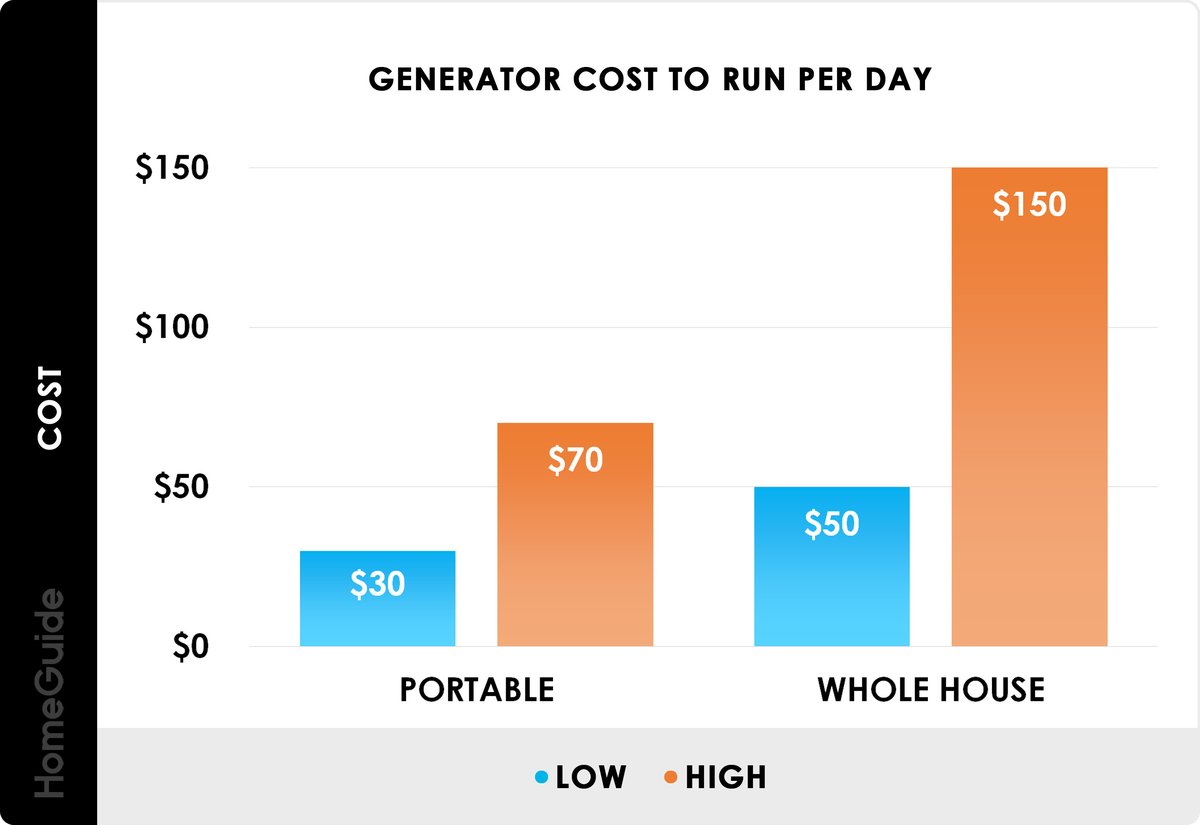
A 22kW Generac generator, for example, might consume roughly 2.5-3.0 gallons of propane per hour or 200-250 cubic feet of natural gas per hour under a typical load. During a multi-day outage, these costs can add up quickly.
Maintenance and Servicing
Generac generators, like your car, require regular maintenance to ensure optimal performance and longevity.
- Annual Maintenance: This typically includes oil changes, filter replacements (air, oil, fuel), spark plug checks, battery inspection, and a general system diagnostic. You can expect annual service contracts from dealers to range from $200 to $500, depending on your location and the specific services included.
- Preventative Checks: Beyond annual service, it's good practice to visually inspect your unit regularly and ensure it's running its weekly self-test (a feature of Generac units).
Neglecting maintenance can lead to costly repairs down the line or, worse, a generator that fails when you need it most. Many warranties also stipulate regular maintenance as a condition of coverage.
Warranty Considerations
Generac offers standard warranties, typically covering parts and labor for a certain period (e.g., 5 years). You may also have the option to purchase extended warranties, which can provide additional years of coverage for peace of mind. Always understand what your warranty covers and its duration. It's a critical component of protecting your investment against unexpected repairs.
Navigating the Purchase: Steps to Estimate Your Generac Standby Investment
Estimating the true cost of a Generac standby generator isn't a single Google search. It's a process that involves a bit of homework and professional consultation.
- Assess Your Needs Honestly:
- What exactly do you need to power during an outage? Are you looking for just the essentials (refrigerator, lights, heat), or do you want full home comfort, including air conditioning? Be realistic about your priorities and budget.
- Get a Professional Load Calculation:
- Contact a certified Generac dealer. They will send an expert to your home to perform a comprehensive load assessment. This step is non-negotiable for accurate sizing and cost estimation. They'll help you understand what kW generator you truly need.
- Obtain Multiple Quotes:
- Don't settle for the first quote. Get at least two or three comprehensive quotes from different Generac certified dealers. This allows you to compare not just prices, but also the scope of work, warranty offerings, and customer service.
- Understand the Inclusions:
- When reviewing quotes, ensure they are itemized and clearly specify everything included: the generator unit, transfer switch, all electrical components, gas line installation, concrete pad, permits, labor, and warranty details. Ask questions if anything is unclear.
- Factor in Long-Term Costs:
- Consider the ongoing costs of fuel and annual maintenance. While these won't be in your initial quote, they are part of the total cost of ownership. Ask dealers about their service plans and expected fuel consumption for your chosen unit size.
- Check References & Reviews:
- Ensure the installers are licensed, insured, and have a good reputation. Read online reviews and ask for local references. A quality installation is just as important as the generator itself.
By following these steps, you'll gain a much clearer understanding of your potential investment and confidently move forward with your Generac standby generator project.
Common Questions & Misconceptions About Generac Standby Costs
Navigating the world of home backup power often leads to common questions and sometimes, misunderstandings. Let's tackle a few:
"Can I install a Generac standby generator myself to save money?"
Absolutely not. Installing a Generac standby generator is a complex job that involves high-voltage electricity and potentially dangerous fuel sources. It requires licensed electricians and gas fitters to ensure safety, comply with strict building codes, and validate your warranty. A DIY installation can void your warranty, lead to dangerous electrical hazards, and likely won't pass inspection, costing you more in the long run.
"Is natural gas or propane cheaper to run a Generac generator?"
This depends heavily on local utility prices, the availability of natural gas in your area, and the upfront installation costs.
- Natural gas often has a lower per-unit energy cost and offers unlimited runtime, making it generally cheaper for extended outages if you have an existing line. However, running a new gas line can be expensive.
- Propane requires purchasing or leasing a tank and periodic refills, and its price per gallon can fluctuate. If natural gas isn't available, propane is an excellent choice, but be prepared for the logistics and costs of managing your fuel supply. Always check current local prices for both.
"Do all Generac generators come with an automatic transfer switch?"
All Generac standby generators are designed to integrate with an automatic transfer switch (ATS) as part of their core functionality. This is what allows for their automatic operation. Portable generators, however, may offer a manual transfer switch as an optional accessory, but they do not come with an automatic one built-in for permanent, hands-free operation.
"Why is standby generator installation so expensive compared to the unit price?"
The installation cost is high because it covers extensive, specialized work:
- Skilled Labor: Licensed electricians and gas fitters command professional rates.
- Infrastructure: Running new electrical conduits, significant wiring, and a dedicated fuel line (whether natural gas or propane) is time-consuming and material-intensive.
- Site Preparation: Digging, forming, and pouring a concrete pad is heavy labor.
- Safety & Compliance: Ensuring the system meets all national and local electrical, gas, and building codes is paramount and requires expertise, permits, and inspections.
- Complexity: Integrating a generator into your home's existing systems is not a simple plug-and-play task. It requires careful planning and execution to handle the power surge and automatic switching safely.
The high installation cost is a reflection of the complexity, safety requirements, and professional expertise involved in creating a reliable, automatic home power solution.
Making the Smart Investment: Your Next Steps to Power Security
Understanding the nuanced landscape of Generac standby generator costs by size and type is the first critical step toward securing your home's power. It’s clear that the price involves more than just the generator itself; it’s a comprehensive investment in automatic reliability, safety, and unwavering peace of mind.
While the figures provided offer a solid starting point, the specific cost for your home will depend on a unique blend of factors: your power needs, local labor rates, existing utility infrastructure, and specific permitting requirements. Don't let the initial numbers overwhelm you. Instead, view them as an invitation to begin a conversation.
Your most important next step is to contact a certified Generac dealer in your area. They are the experts who can conduct a precise load assessment, evaluate your home's unique setup, and provide you with a detailed, personalized quote that reflects your specific needs. This isn't just a purchase; it's an upgrade to your home's resilience, ensuring that when the power fails, your life doesn't have to stop. Invest wisely, and enjoy the confidence that comes with knowing you’re always prepared.