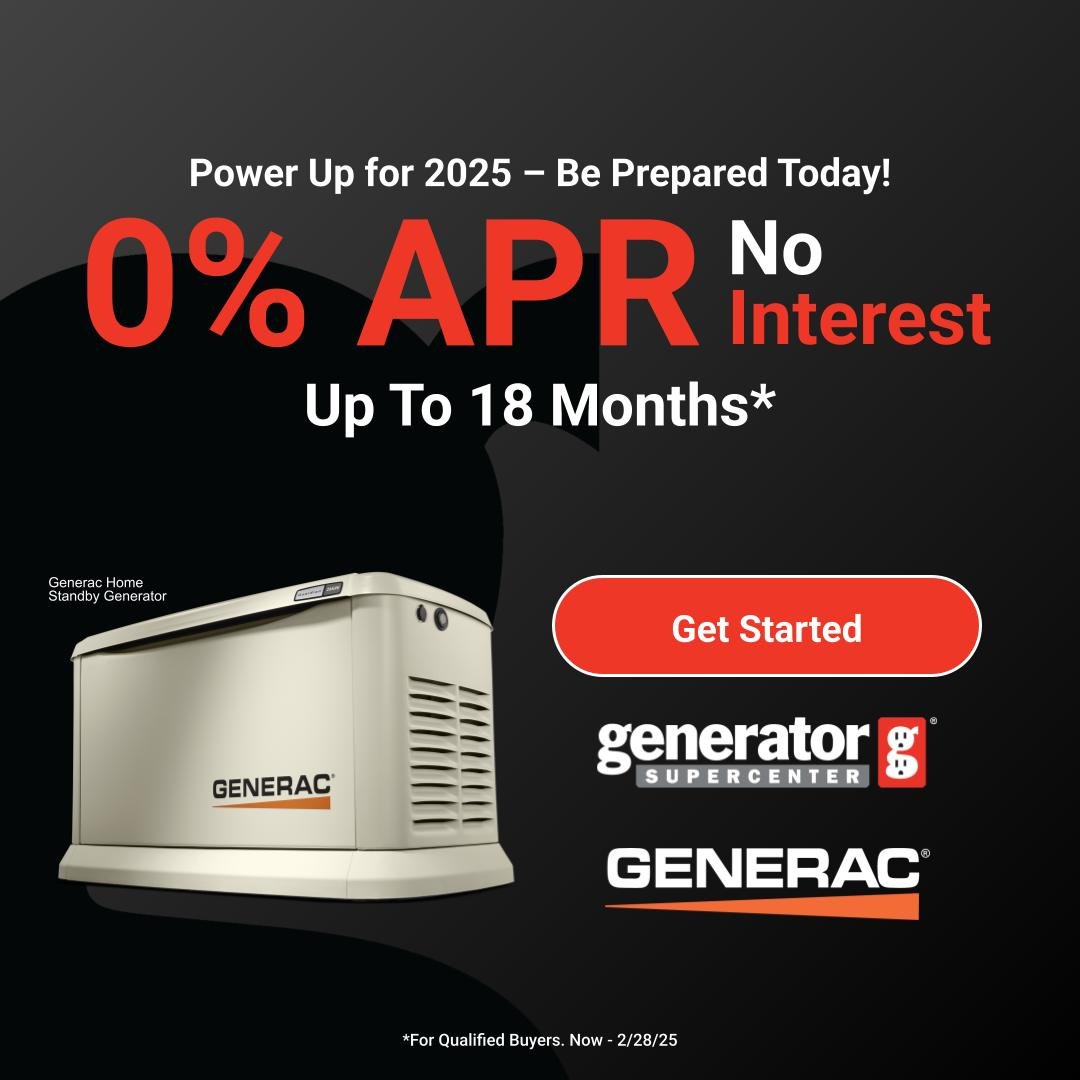
Investing in a Generac generator is a smart move for homeowners seeking peace of mind during power outages, but understanding the true cost involves more than just the sticker price. While Generac whole-house generator setups typically range from $6,000 to $15,000+ for 2025, this figure encompasses the unit itself, installation complexities, and crucial ongoing expenses. Our goal here is to unravel these layers, giving you a clear picture of what to expect and helping you make the most informed decision for your home.
This comprehensive guide will break down the costs, factors, and considerations, pointing you towards more detailed resources every step of the way.
The Big Picture: What's Included in Your Generac Generator Investment?
When you consider a Generac generator, you're looking at a multi-faceted investment. The headline price you see often refers only to the generator unit itself, which can be misleading. A complete, fully functional standby system requires professional installation, including electrical and gas line work, permits, and ongoing maintenance.
Think of it as the total cost of ownership. From selecting the right size to ensuring it runs efficiently for years, every component adds to the overall value and expense. We're here to guide you through each piece of that puzzle.
Generac Generator Unit Costs by Type and Sizing
Generac offers a range of generators designed for different needs, each with its own price point. Understanding the various types and how to properly size a standby unit is crucial for both functionality and cost-efficiency.
Types of Generac Generators
- Portable Generators: Ranging from $500 to $2,500, these units offer flexibility for temporary power, camping, or specific tools. They require manual operation and refueling, making them a less permanent solution.
- Standby Generators: The flagship offering, these units are permanently installed and automatically kick on when grid power fails. Their cost typically spans $2,000 to $10,000+ for the unit alone, varying significantly by power output.
- Inverter Generators: Priced between $1,000 and $3,000, these are known for their quiet operation, fuel efficiency, and the "clean" power they provide, which is safe for sensitive electronics.
Sizing Your Standby Generator: Finding the Right Power Output
The kilowatt (kW) rating is the most significant factor influencing a standby generator's unit cost. It dictates how much of your home's electrical load the generator can handle. The general wisdom? It’s better to have too much power than too little. Many homeowners regret undersizing their unit.
- 10-14 kW (Starter Pack): These units, typically costing $2,500-$4,500, are suitable for smaller homes or those primarily needing to power essential circuits. Think refrigerator, a few lights, and Wi-Fi. They usually cannot run central AC and an electric dryer simultaneously.
- 20-22 kW (Sweet Spot): This is where most residential installations land, with units priced around $6,800. A 22kW generator can comfortably manage the majority of household needs, including central air conditioning and multiple major appliances.
- 24-28 kW (Premium): For larger homes or those with high-demand items like EV chargers or pool equipment, these units (costing $8,000-$10,000+) ensure you can run almost everything without compromise.
To dive deeper into how different Generac models and their power outputs impact your initial investment, explore our detailed guide on Generac Standby Generator Costs by. If you're considering a more mobile solution, you'll want to check out our breakdown of Portable Generac Generator Pricing.
Beyond the Unit: Understanding Generac Generator Installation Costs
The generator unit itself is only one part of the equation. Installation costs are substantial and highly variable, often ranging from $1,800 to $12,000, depending on the complexity of your home's setup and local labor rates. This isn't a DIY project; it requires licensed professionals.
Installation involves several critical steps:
- Site Preparation: This includes pouring a concrete pad for the generator, ensuring proper clearances, and sometimes landscaping adjustments.
- Electrical Work: A crucial component is the automatic transfer switch (ATS), which senses power outages and seamlessly shifts your home's power source. This involves intricate wiring into your home's electrical panel.
- Fuel Line Hookup: Depending on your chosen fuel (natural gas or propane), a qualified technician will need to run a dedicated gas line from your utility meter or propane tank to the generator.
- Permits and Inspections: Local regulations require permits for electrical and gas work, followed by inspections to ensure everything meets safety codes. These administrative steps add to both the cost and the timeline.
- Labor: The expertise of electricians, plumbers, and general contractors contributes significantly to the overall expense.
Here’s a general breakdown of total project costs (unit + installation):
- Basic 10kW Setup: Generator ~$3,000, Installation $3,000-$5,000. Total: $6,000-$8,000.
- Popular 22kW System: Generator ~$6,800, Installation $3,500-$6,000. Total: $10,300-$12,800.
- Premium 28kW Beast: Generator $8,000-$10,000+, Installation $4,000-$6,000+. Total: $12,000-$16,000+.
It's highly recommended to obtain at least three installation quotes from authorized dealers to compare pricing and expertise. To gain a deeper understanding of the specific elements that contribute to the final bill, you should Understand Generac installation costs.
Factors That Shape Your Generac Generator's Price Tag
Beyond the core unit and installation, several other elements can influence the total cost and overall value of your Generac generator. These range from advanced features to strategic timing.
Key Features and Technology
Modern Generac generators come with smart features that enhance convenience and performance, often adding to the unit's price:
- Wi-Fi Connectivity (Mobile Link™): This popular feature allows you to monitor your generator's status, receive alerts, and schedule maintenance remotely via a smartphone app.
- Quiet-Test™ Mode: Reduces noise during weekly self-tests, making generator ownership less intrusive for you and your neighbors.
- Smart Load Management: This intelligent system prioritizes power to critical appliances during high-demand situations, preventing overload and maximizing efficiency.
When to Buy: Timing Your Purchase
Timing can play a significant role in securing a better deal. The market for generators is often influenced by seasonal demand and weather events.
- Best Times to Buy: Look for deals after hurricane season (November-December), during the quiet winter months, or towards year-end when dealers might be trying to meet sales quotas.
- Worst Times to Buy: Prices tend to surge immediately before or during storm season, or in the aftermath of major weather events when demand is highest.
Authorized Dealers vs. Big Box Stores
For standby generators, purchasing and installing through an authorized Generac dealer is generally recommended, even if it appears 10-20% more expensive upfront. Dealers offer specialized expertise, factory-trained technicians, and dedicated warranty support that big box stores often cannot match. Big box retailers are typically better suited for portable generator purchases.
All these variables, from advanced features to the specifics of your location and dealer choice, collectively impact the final investment. To explore these nuances in greater detail, refer to our guide on Factors Affecting Generac Generator Prices.
The Long-Term View: Operating and Maintenance Expenses
Your generator's cost doesn't stop once it's installed. Like any complex machinery, Generac generators require ongoing care and fuel to perform reliably when you need them most. Budgeting for these long-term expenses is critical.
Maintenance Costs
Regular maintenance is key to prolonging your generator's lifespan and ensuring it operates efficiently.
- Annual Checkups: Expect to pay $200-$500 per year for routine inspections, oil changes, and filter replacements.
- Major Service: Every 200 hours of operation or every few years, a more comprehensive service (costing $300-$800) is recommended, including valve adjustments and spark plug replacements.
- Unexpected Repairs: While Generac units are reliable, occasional repairs can arise, potentially costing $100-$500 per year on average.
Fuel Costs During Outages
The cost of running your generator during an outage depends heavily on your fuel source and how long the power is out.
- Natural Gas: Generally the most economical option. A 22kW unit uses approximately 2-3 therms per hour. During extended outages, this could add $50-$150 or more to your monthly utility bill.
- Propane: Typically 20-30% more expensive than natural gas, propane requires an on-site tank, the size of which dictates how long your generator can run before needing a refill.
These ongoing expenses are vital for ensuring your investment performs when called upon. For a detailed breakdown of what to expect, read our guide on Generac Generator Operating & Maintenance.
Generac's Place in the Market: Competition and Strengths
Generac is a market leader, known for its extensive dealer network, competitive pricing, and a wide range of functional features. Their units are generally reliable, making them a popular choice for many homeowners. However, they aren't without their considerations, with some users noting occasional customer service challenges or a slightly louder operation compared to premium alternatives.
Competitors like Cummins offer quieter operation and often boast superior durability, though typically at a higher price point. Kohler also positions itself as a premium brand, while Briggs & Stratton provides a more budget-friendly option. Generac strives to balance performance, features, and cost, aiming to hit the sweet spot for the average homeowner.
Is a Generac Generator Right for You?
Deciding on a Generac generator involves weighing your personal circumstances against the investment.
When to Consider a Generac:
- You experience power outages more than twice a year.
- You work from home and cannot afford interruptions.
- Someone in your household relies on critical medical equipment.
- You have a sump pump or well pump essential for your home.
- You value convenience and automatic power restoration.
- You want to enhance your home's value and appeal.
When to Wait: - Power outages are extremely rare in your area.
- You prefer a portable solution for occasional, specific needs.
- You're planning to move in the near future.
- Your finances are currently tight, and an emergency fund would be depleted.
- You rent your home, as installation would require landlord approval and might not be feasible.
Making an Informed Decision: Expert Recommendations
Navigating the world of Generac generators can feel complex, but following these professional recommendations will set you on the right path:
- Size Up, Not Down: Always opt for a slightly larger generator than your initial calculations suggest. The most common regret among homeowners is undersizing their unit.
- Utilize Authorized Dealers: For standby generators, the additional cost of an authorized dealer is justified by expert installation, proper permitting, and reliable post-sales support and warranty service.
- Budget for Ongoing Maintenance: Factor in annual service, potential major maintenance, and fuel costs from the very beginning to avoid surprises.
- Obtain Multiple Quotes: Don't settle for the first quote. Reach out to at least three reputable, authorized contractors to compare pricing, proposed solutions, and expertise.
- Consider Financing Options: Many dealers offer financing plans that can help you manage the upfront cost, preventing you from draining your emergency savings.
Your Power, Your Peace of Mind
Understanding how much Generac generators truly cost is the first step towards securing your home's power future. It's an investment that offers more than just electricity; it delivers comfort, safety, and unwavering peace of mind. By considering all the factors from unit size and installation to ongoing maintenance, you can make a decision that powers your home reliably for years to come. The future of home power is smart, secure, and within your reach.